Program
Hackathon
One day. One thing no one is measuring yet.
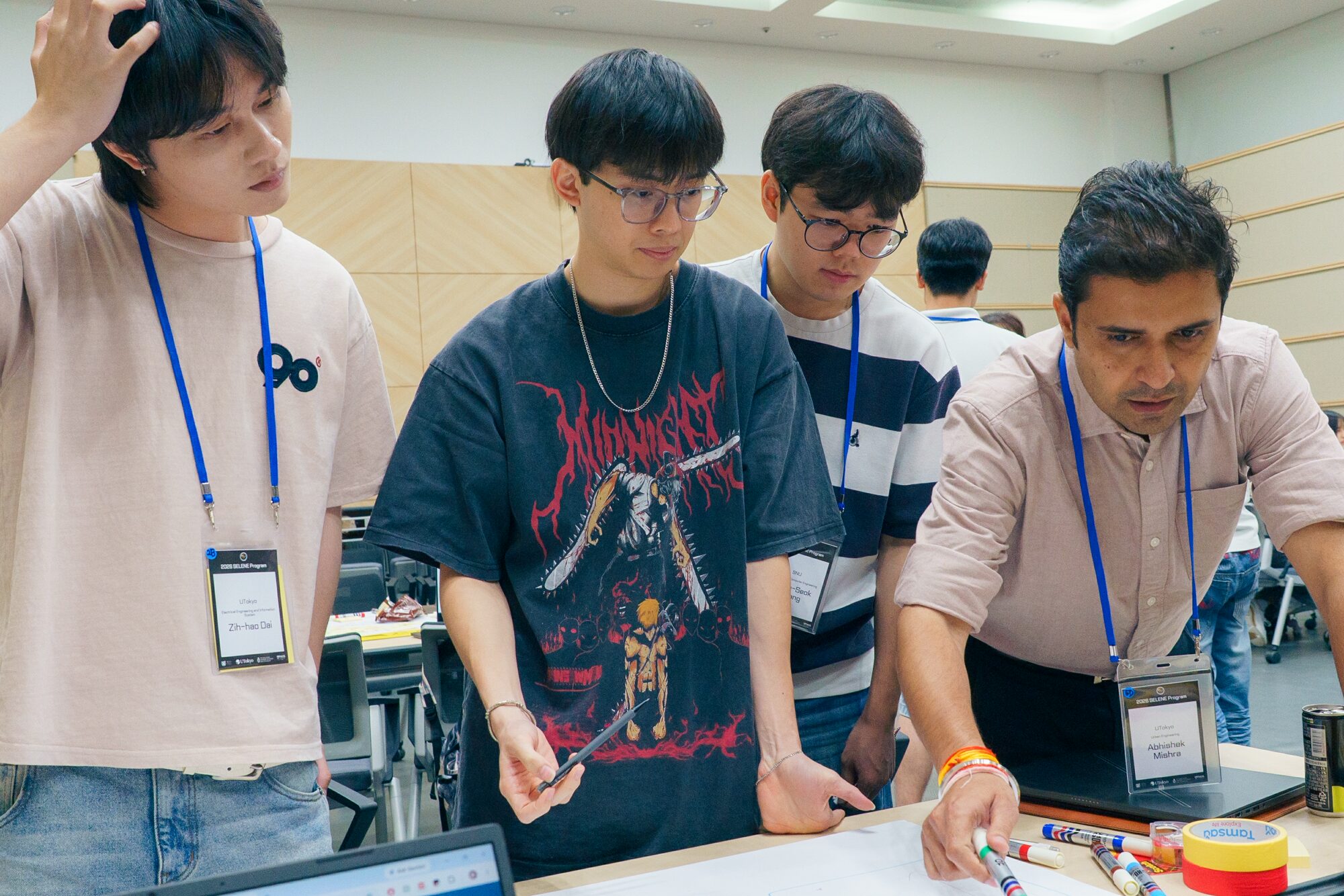
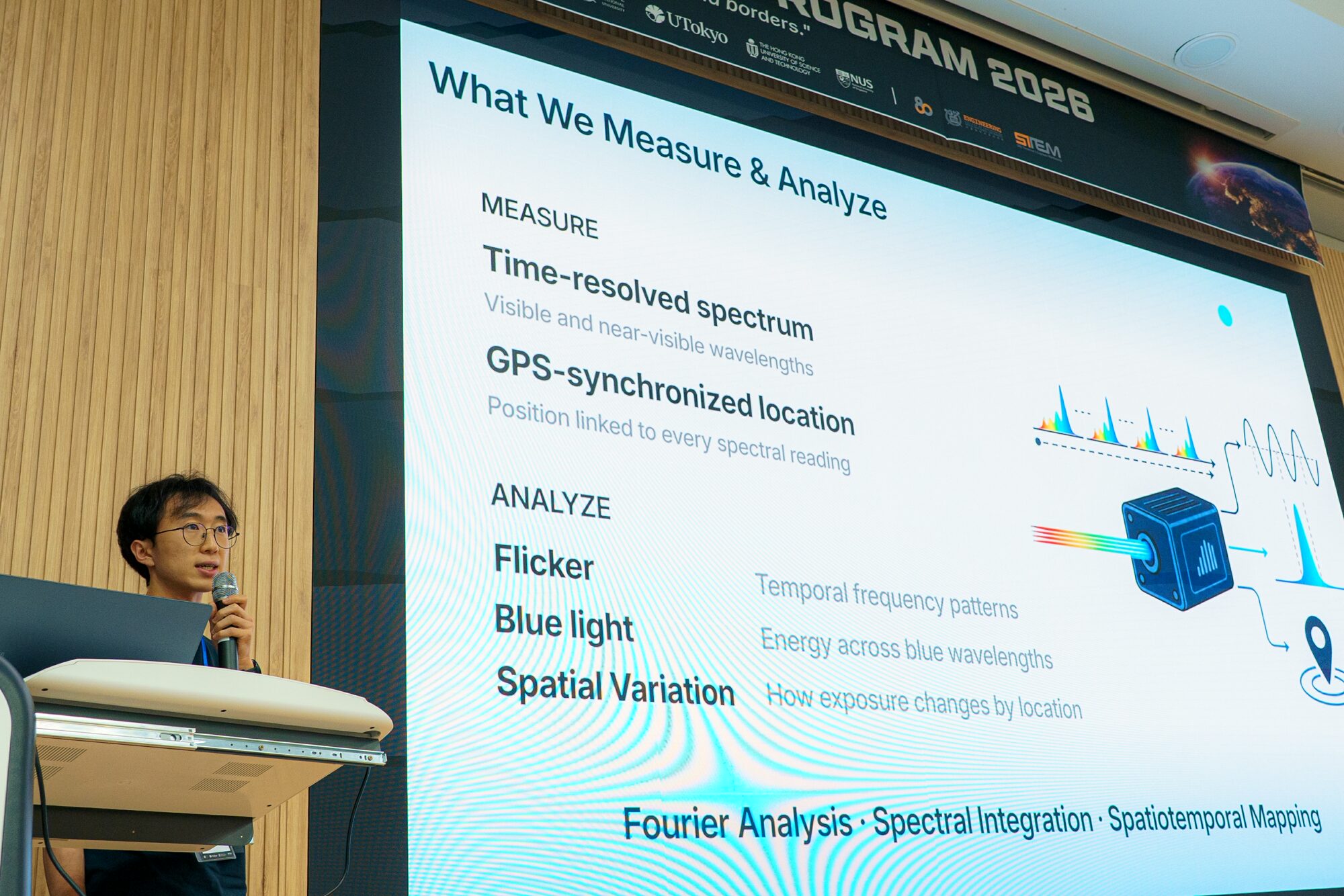
The Research Hackathon is Selene’s one-day design sprint. Teams are mixed across every partner university and every engineering discipline, and all of them are given the same brief: choose something that matters but goes unmeasured, and design the system that would measure it. By the end of the day, each team presents that system to the whole forum.
Each edition opens with a theme and a curated menu of phenomena, every one of them paired with the measurement gap that keeps it invisible. Teams may take a phenomenon from the menu or bring their own, provided they can show why today’s instruments do not reach it. From there, the day moves through problem definition, sensing and data pipeline design, and a pilot plan tied to a real site. The deliverable is not a prototype but a specification — what signal, measured how, turned into what decision. Final pitches are judged by the organizers and by the teams themselves, on engineering rigor, the originality of the problem, how genuinely the disciplines depend on one another, and whether the system could actually be deployed.
Conference
Designing for Trust: What Should Never Be Built?
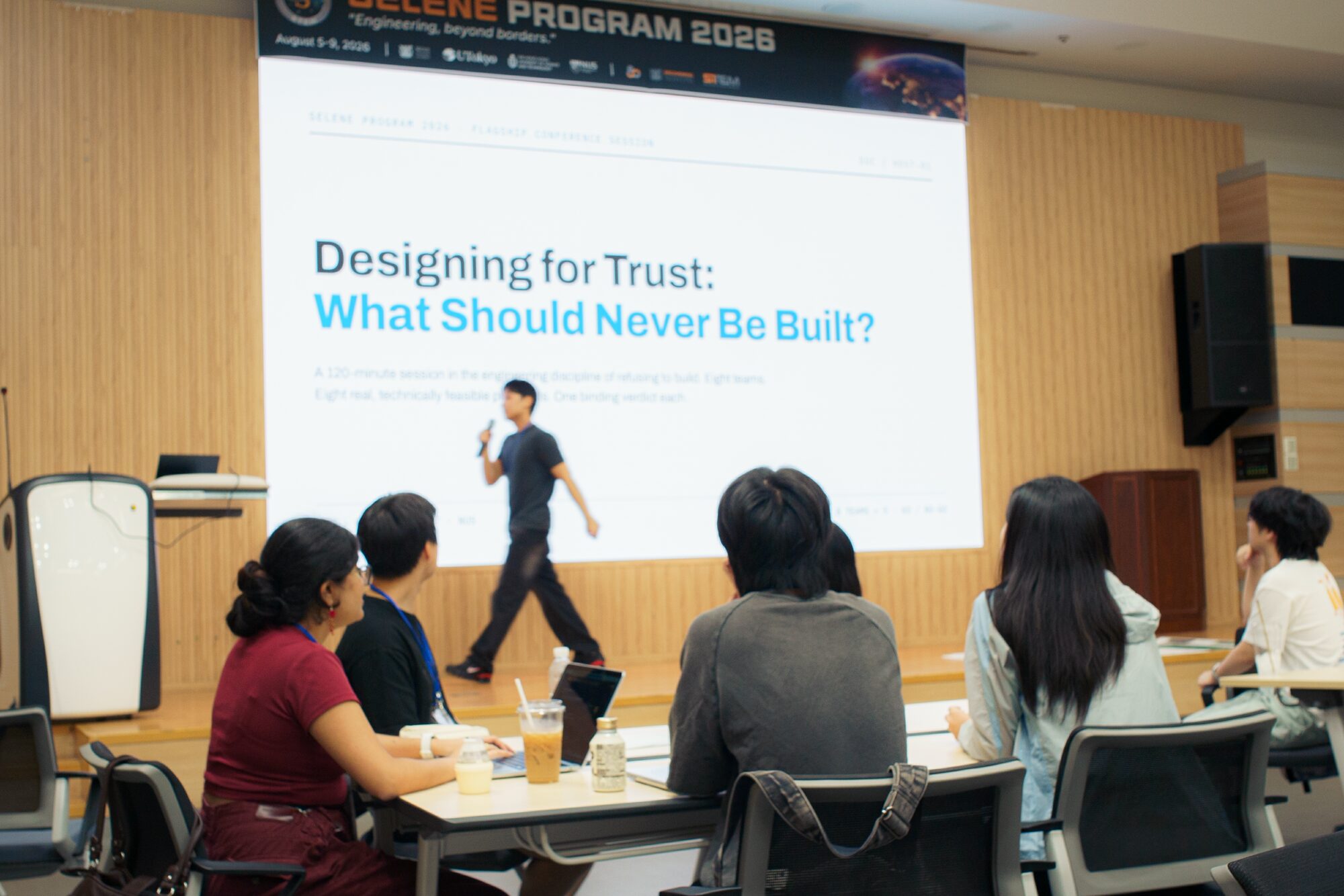
Designing for Trust: What Should Never Be Built? asked participants a question engineers rarely face: should a technically feasible frontier system actually be built? Working in mixed-discipline teams, participants took on high-stakes proposals, such as autonomous chemistry labs, remote microreactors, uncrewed cargo vessels, or a national biometric ID system, and mapped how each could fail across physical, computational, adversarial, and long-term scale risks.
Each team then split into "Build" and "Halt" sides for an internal red-team debate, arguing strictly in engineering terms rather than moral ones. The debate fed into a binding GO or NO-GO verdict, written up in a one-page Engineering Risk Specification with measurable conditions for revisiting the decision. In the final Risk Hearing, teams defended their verdicts before a panel tasked with arguing the opposite side, and they were judged on the rigor of their reasoning, not on the conclusion they reached.
Poster Session
Different majors, one session.
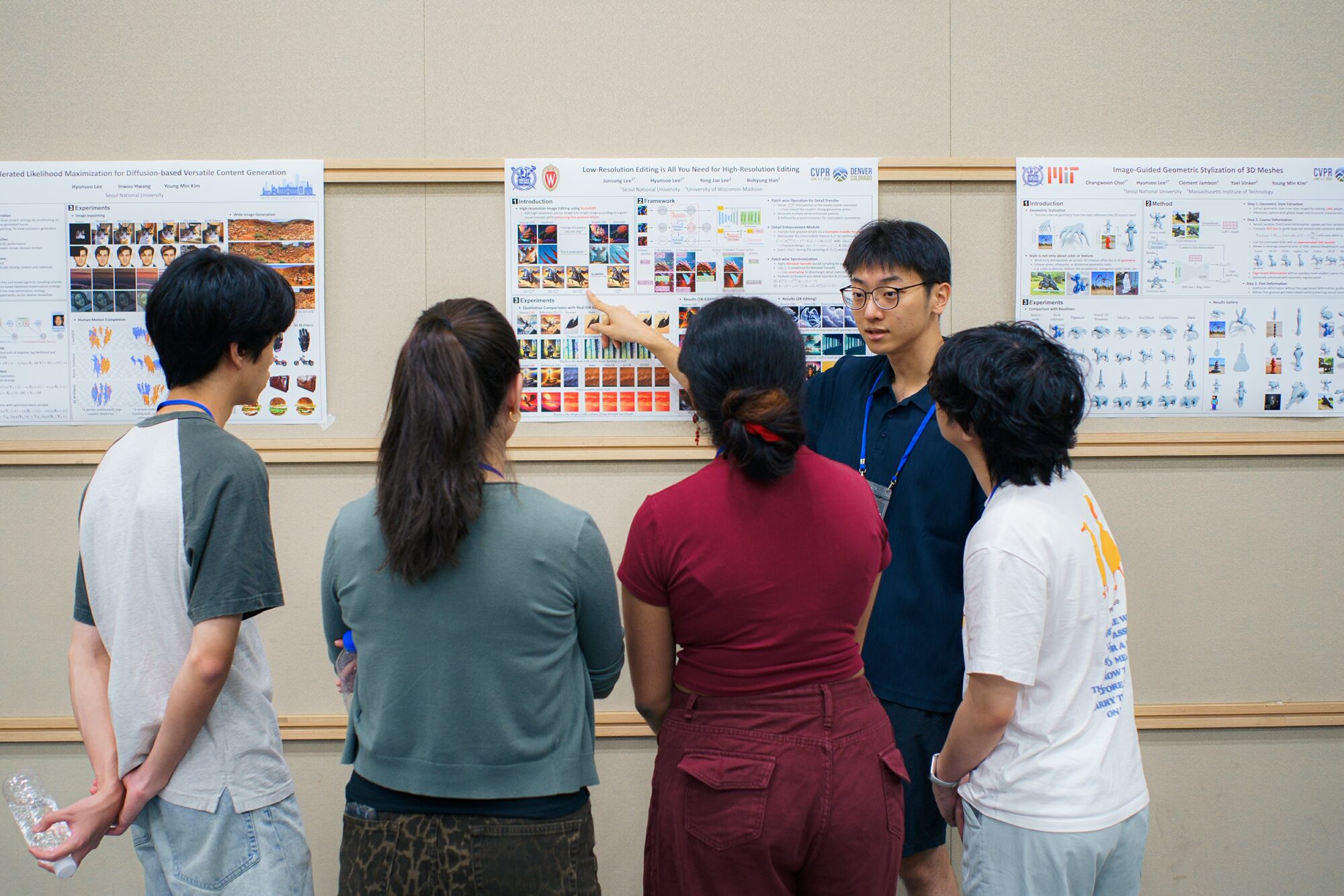
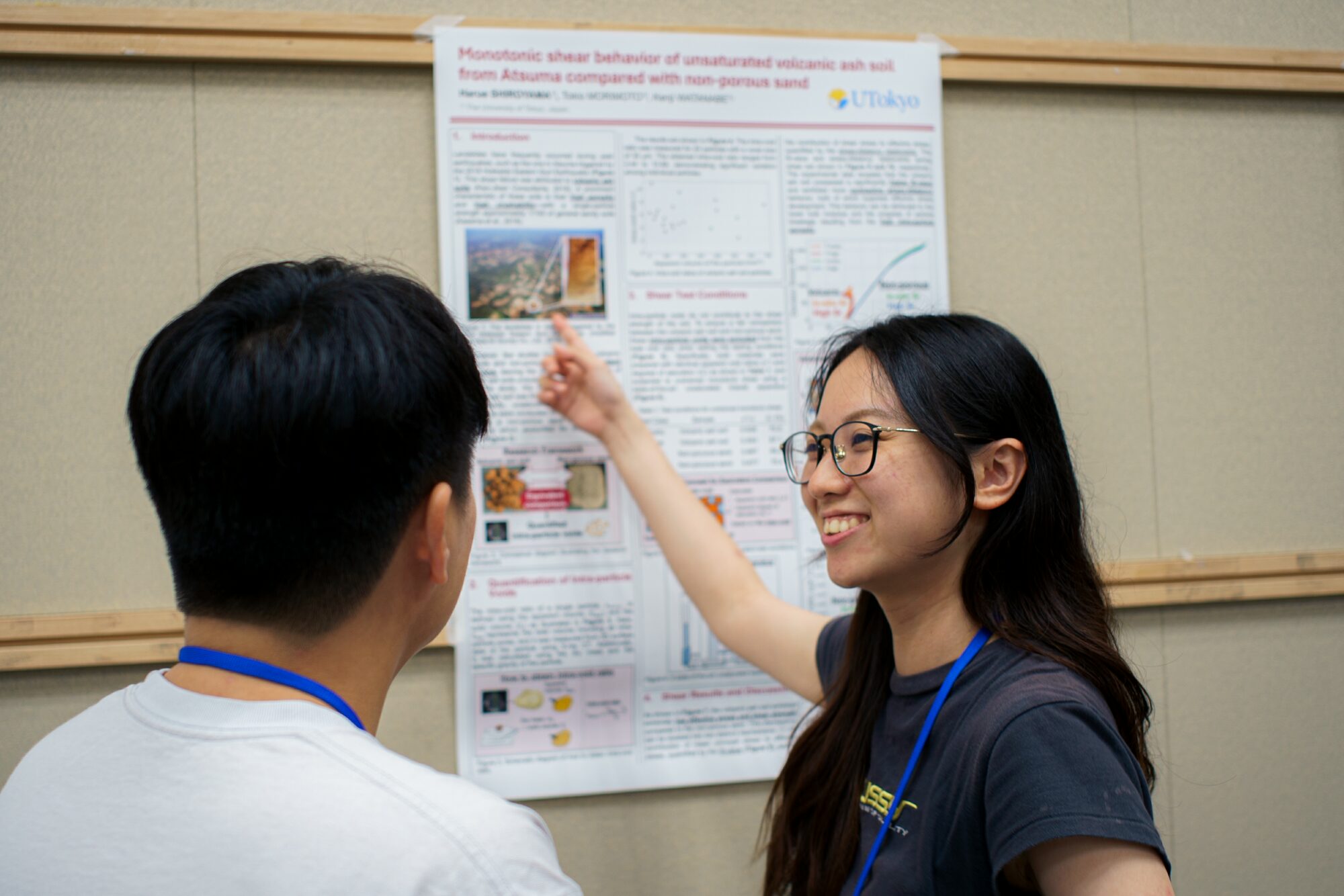
The Poster Session brings the full breadth of Selene’s research community into a single room. Students from all four partner universities stand side by side—spanning materials science, robotics, computing, and the life sciences—to share the questions that drive their own labs. Rather than speaking to a specialized audience in the same subfield, presenters spend the session translating their work for peers from entirely different disciplines.
That friction is the point. Explaining complex research without relying on shared jargon forces a sharper, more fundamental clarity. In return, questions from outside one’s own field often challenge unspoken assumptions and open angles a home lab might never consider—where a robotics constraint becomes a materials prompt, or a biological mechanism sparks an algorithmic idea.
As participants move from board to board, the room turns into a live exchange of methods, setbacks, and ambitions across both borders and majors. Students walk away with more than feedback on a single project; they leave with a clearer lens on their own discipline and a network of peers whose work they genuinely understand.
Tech Race
A strategy simulation of technology, policy and cooperation
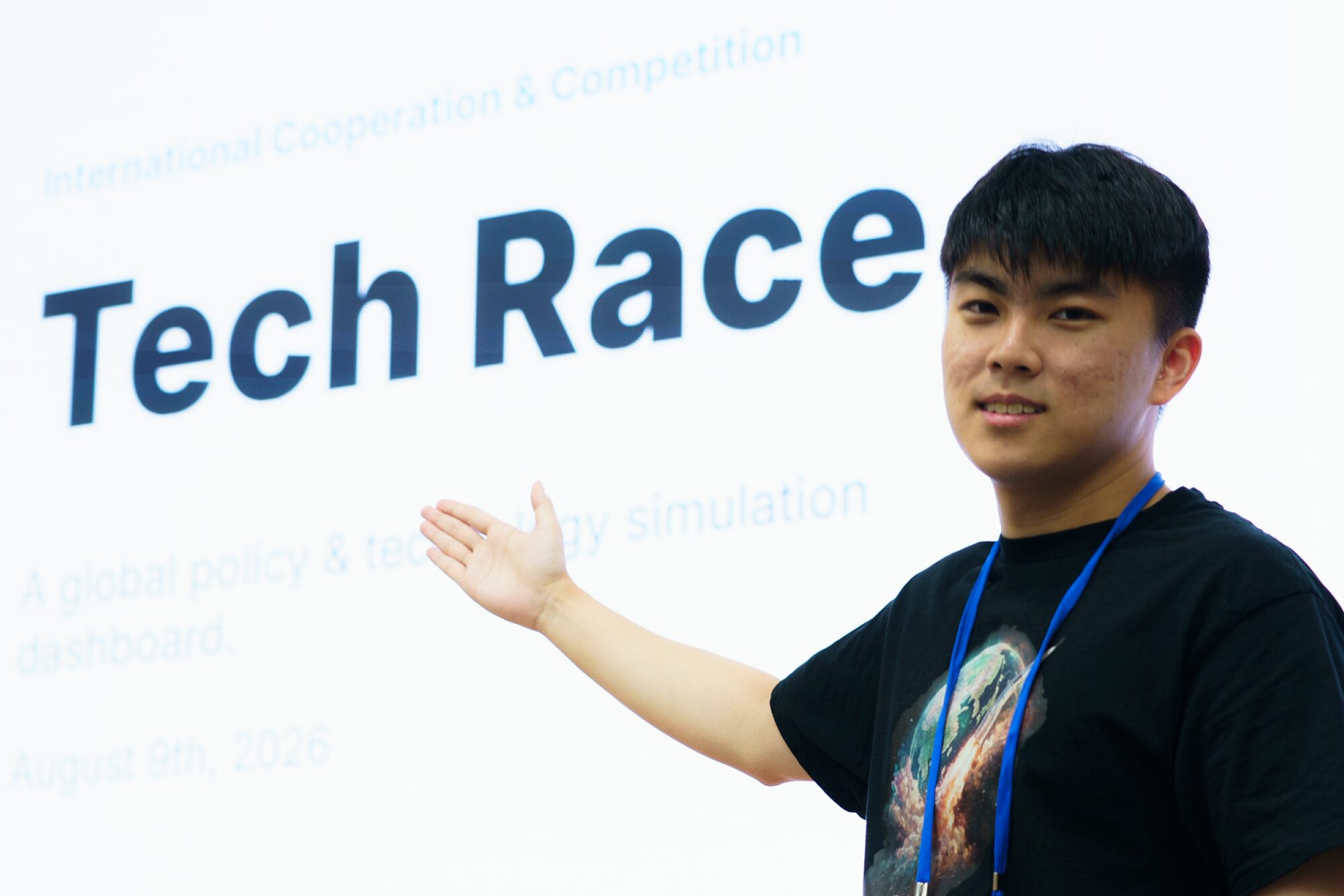
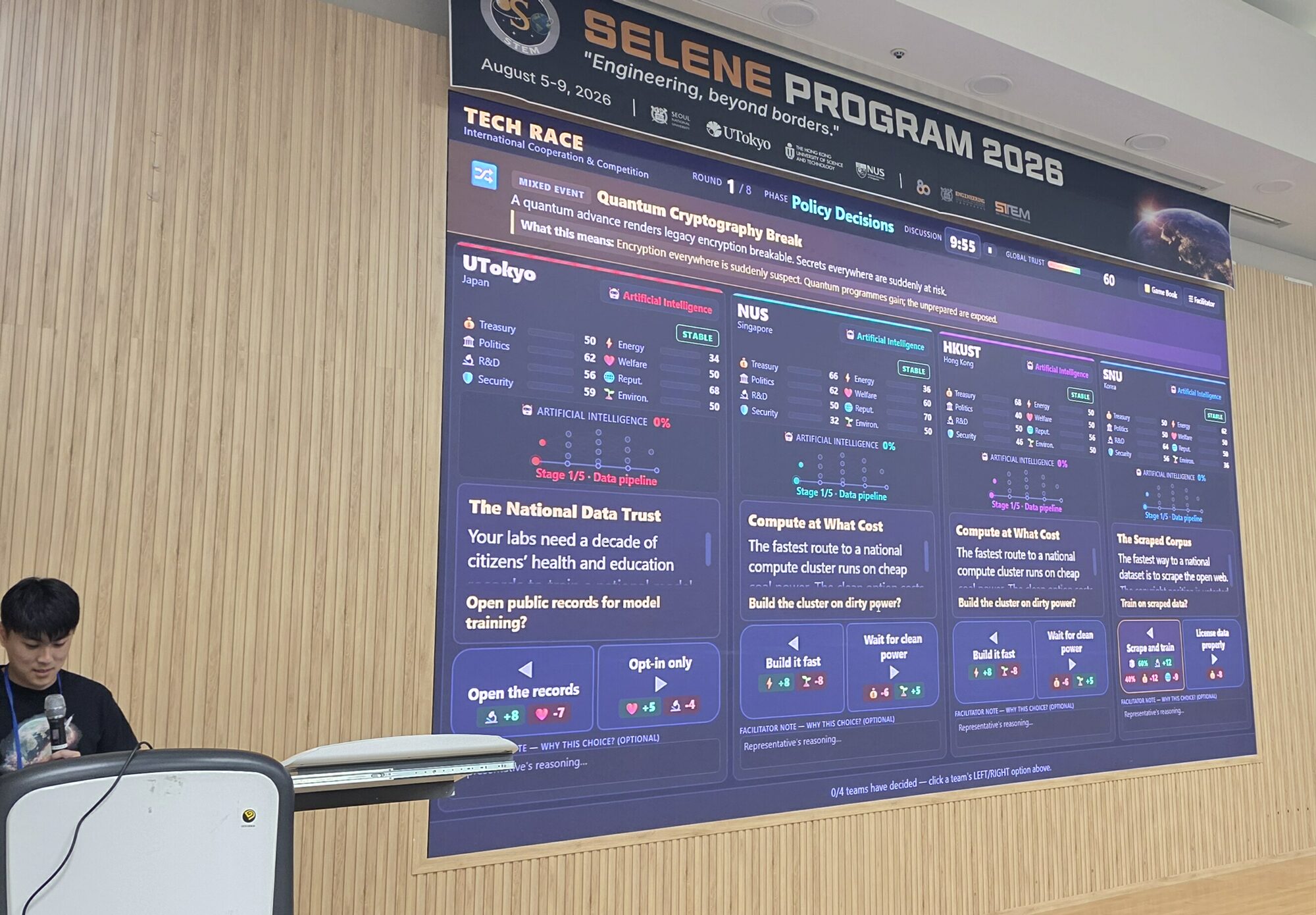
Tech Race is an interactive strategy simulation where students compete and cooperate to advance emerging technologies. Teams represent different nations, each pursuing technological leadership in fields such as semiconductors, robotics, biotechnology, and climate technology.
Across multiple rounds, participants make decisions on research investment, resource allocation, and national policies. They negotiate international partnerships, respond to global events, and balance competing priorities.
Through these decisions, students discover that technological progress depends not only on engineering breakthroughs, but also on economics, policy, and international cooperation. Tech Race challenges participants to consider how engineering shapes society and how society, in turn, shapes technological development.
Field Trip
Beyond the campus: firsthand tech and mentoring at LG Science Park.
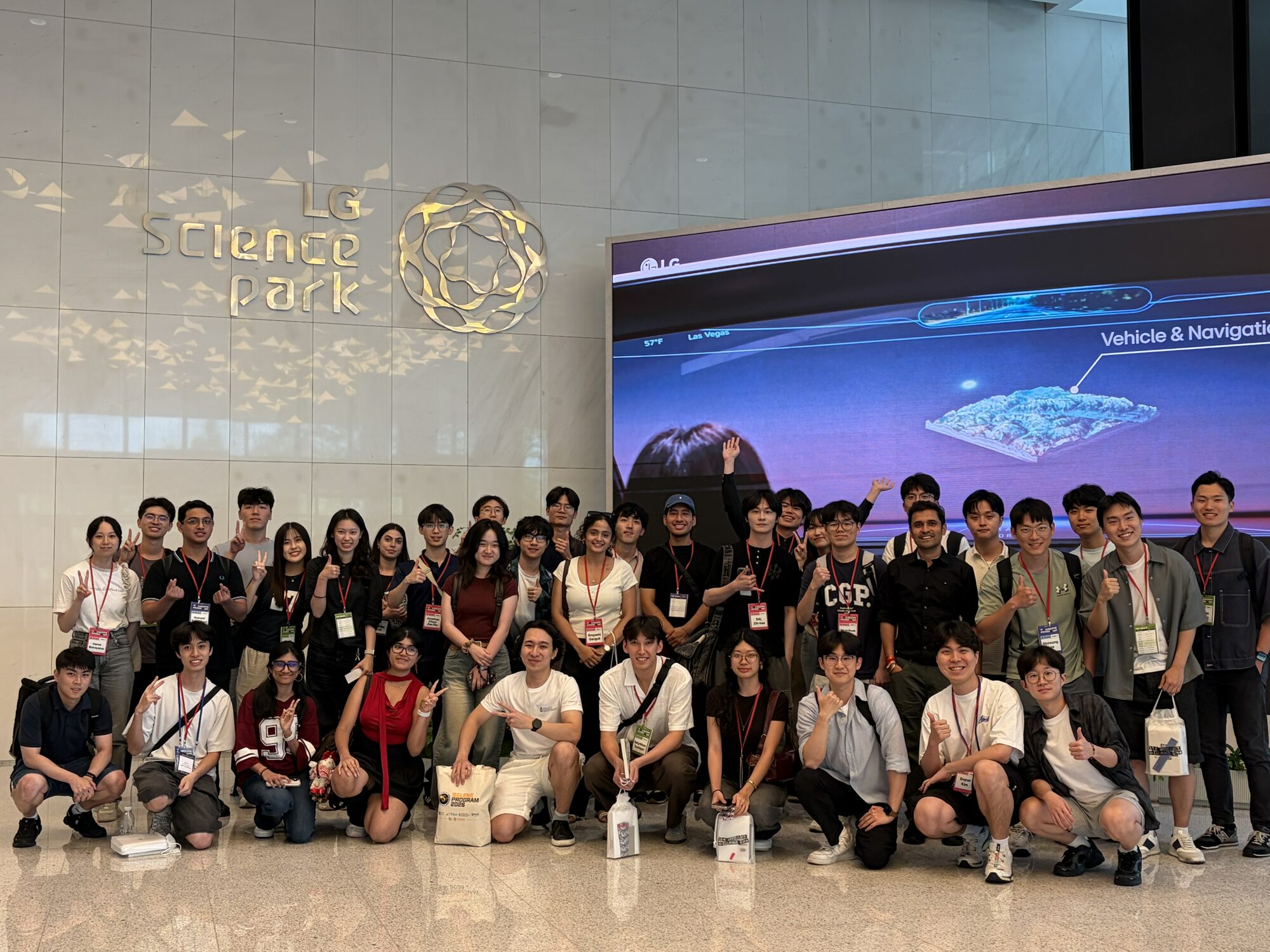
The Field Trip takes participants beyond the university campus to see how engineering research translates into industrial scale. Hosted at leading R&D hubs in the host city—such as LG Science Park—the session bridges academic inquiry with real-world technology development.
At LG Science Park, participants experience LG’s latest technologies firsthand, join a range of on-site programs, and engage in mentoring sessions with industry speakers. Rather than a passive tour, the visit creates space for direct conversation with engineers and leaders working on the front lines of R&D.
Stepping onto an industrial research floor—and hearing candidly from the people who build there—offers a perspective that papers and classrooms rarely capture. Participants leave with a sharper sense of how technical ideas are brought to scale and how their own disciplines fit into the broader technology landscape.